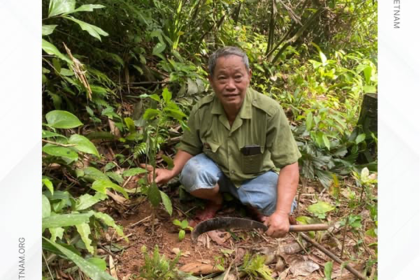

In the spectacular Truong Son mountain range, the mountainous forests of A Luoi district serve as a “green treasure” harboring rich natural values and precious indigenous knowledge, with hundreds of rare medicinal plant species. For generations, medicinal plants such as Paris polyphylla, Fibraurea tinctoria, and Stephania rotunda have been closely intertwined with the lives of the Pa Co, Ta Oi, and Ka Tu ethnic minority communities.
However, in recent years, under the pressure of over-exploitation and climate change, many precious plant species have gradually disappeared. Along with that, traditional remedies, which are the crystallization of generations of wisdom, also face the risk of fading away.
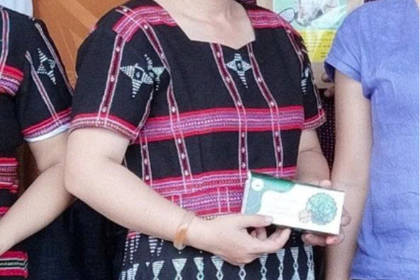
As a child of the A Luoi mountains and forests, Ms. Ho Thi Giang — a Pa Co ethnic woman born and raised in A Tia 1 village, Hong Kim commune — spent her entire childhood attached to the forests, where medicinal plant species became a familiar part of her life. Witnessing the gradual disappearance of precious medicinal plants, Ms. Giang understood that without immediate action, these valuable traditional remedies would be no longer existed.
Therefore, when the Center for Rural Development in central Viet Nam (CRD) implemented the project “Promoting the conservation of indigenous medicinal plants associated with livelihood improvement for ethnic minority women in mountainous areas” in A Luoi district, Ms. Giang enthusiastically participated from the very first days. After that, she also became a source of inspiration to encourage the community spirit in preserving precious plant varieties for future generations.
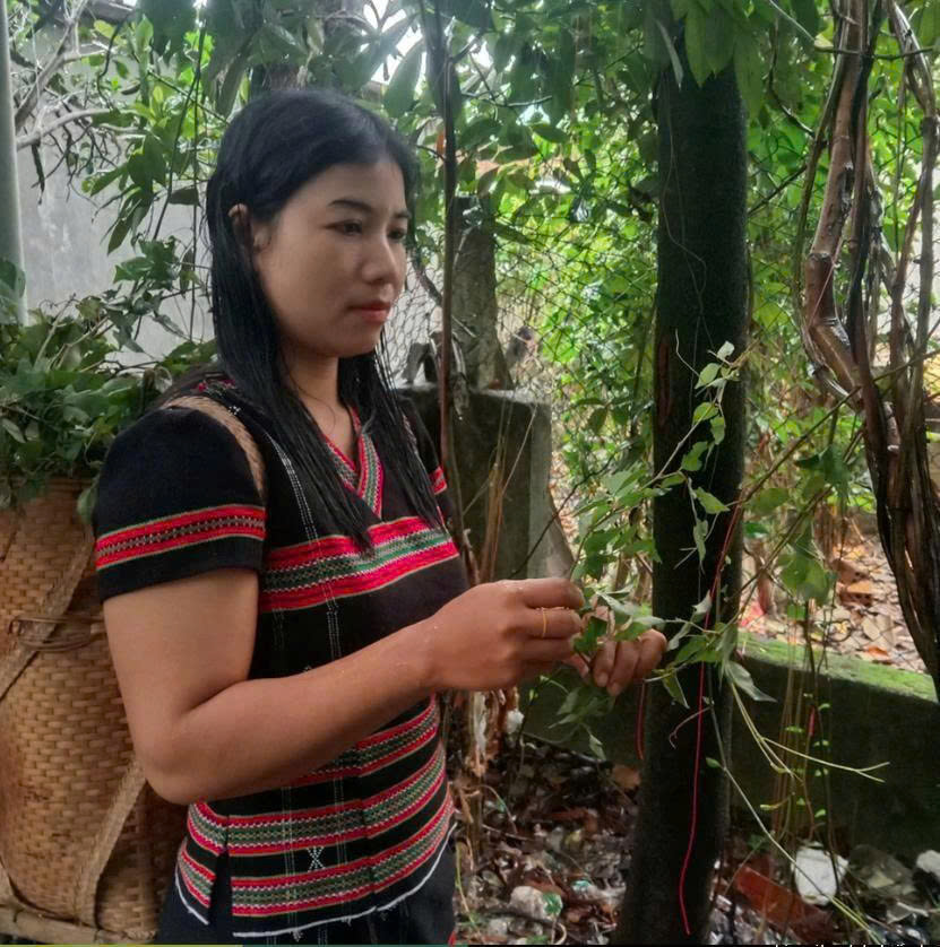
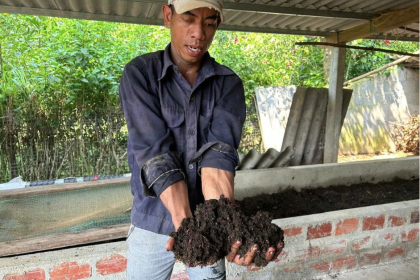
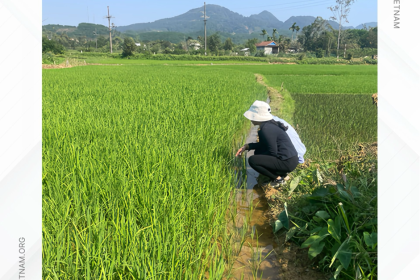
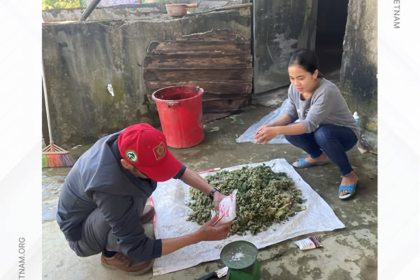
In her role as the head of the Women’s Union branch of A Tia 1 village, Ms. Giang pioneered the establishment of the community nursery. Starting from the lacking of technical skills and experience – Ms. Giang and the group of women patiently learned step-by-step: identifying the remaining precious plant species in nature, collecting seeds, learning nursing techniques, and caring for seedlings. In the early days, whether under scorching sun or cold rain, they still worked diligently by the soil beds, nurturing every single seed, caring for the tiny sprouts, and when the plants were strong enough, bringing them to be planted under the natural forest canopy – a place that provides ideal conditions for the plants to grow.
Thanks to the persistent efforts of the women’s group and the technical support from the project, more than 8,000 indigenous medicinal seedlings have been successfully raised. These young plants are being additionally planted into natural forest areas, contributing to forest enrichment, preserving precious gene sources, conserving biodiversity, and maintaining the connection between the community and forest resources. Furthermore, through the nursery model, local people’s awareness of nature conservation has been significantly raised, and the proactive role of ethnic minority women in protecting resources and indigenous knowledge has been increasingly affirmed. As Ms. Ho Thi Giang shared, “Every seed we nurse today is a sprout of life for the forest, for the village, and for future generations.”
The story of Ms. Giang and the group of women in A Tia 1 is proof that conserving biodiversity and preserving ancestral knowledge to pass down to future generations is not something far-fetched, but begins with simple actions: planting a seed, nurturing a patch of soil. And change begins with ordinary people—the women of A Luoi today, like Ms. Giang.
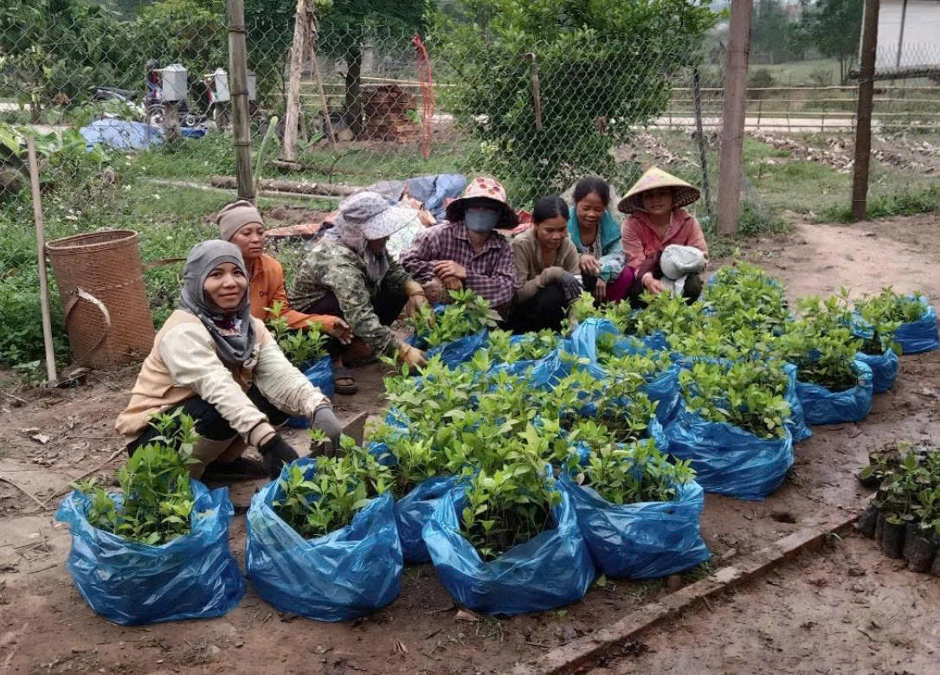 Group of Pa Co women transported seeds to grow under Forest Canopies in A Luoi