
SUSTAINABLE LIVELIHOOD DEVELOPME NT
Currently, in local communes of A Luoi district, Hue province, the majority of pig-farming households do not utilize local feed such as taro, bananas, corn flour, and rice bran, They mainly use industrial feed to raise pigs. However, this farming method is only suitable for large-scale farm husbandry with high investment costs and it is inappropriate for small-scale, family-sized farming households. At the same time, the barn designs are unsuitable for the local weather and climate, and livestock waste causes pollution to the resident’s living environment.
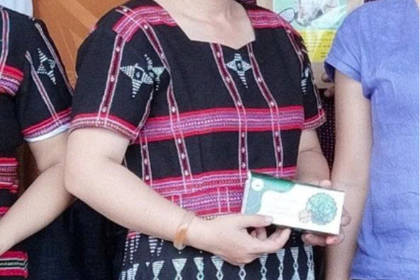
At the end of 2023, the Project “Climate-Smart Agriculture for Ethnic Minorities in Central Vietnam” was deployed by CRD in 02 communes: Hong Thuong and A Roang in A Luoi district. The project aims to change perceptions and enhance the agricultural production capacity of local people towards smart and climate-adaptive directions with 10 households participated in piloting the cultivation and husbandry models, including the family of Ms. Vien Thi Ly – a household currently implementing the pig-farming model in Hong Thuong commune.
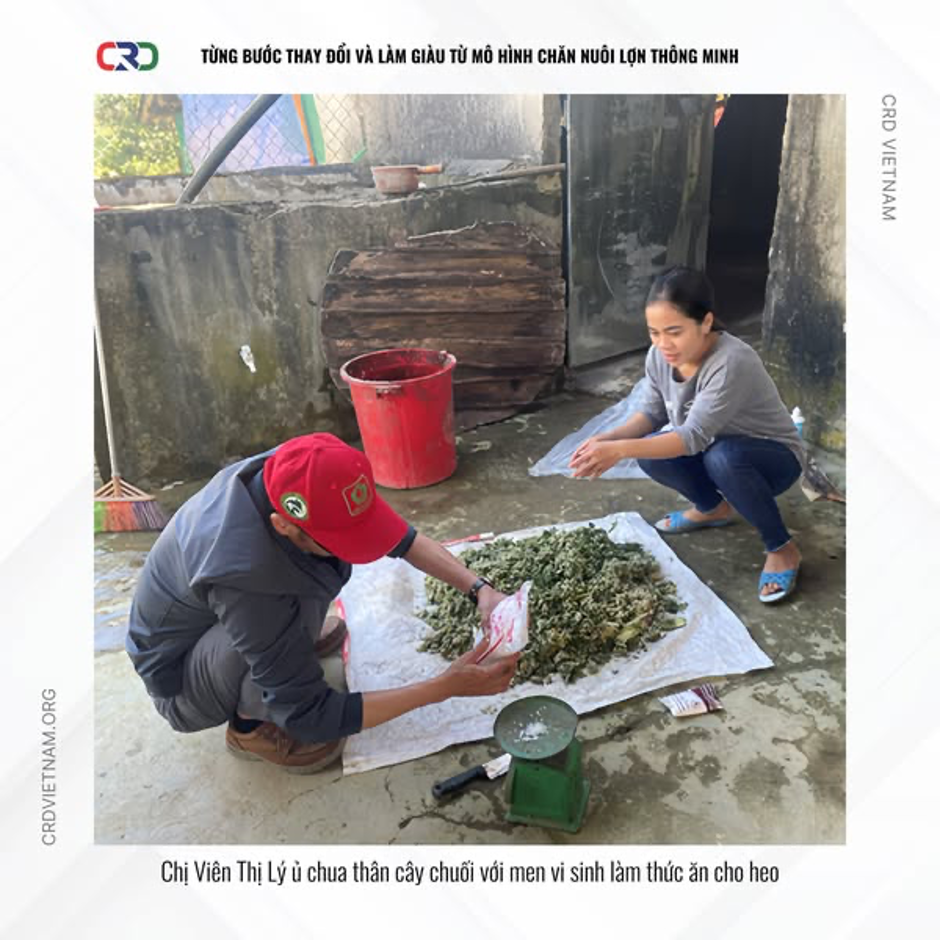
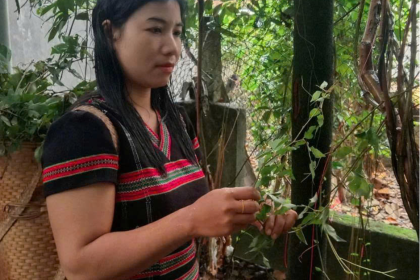
Ms. Vien Thi Ly shared: “In the past, I raised pigs mainly by buying industrial feed for them to eat; although the pigs grew quickly, it was costly to invest. After receiving technical support from the project, I learned how to ferment bananas and taro leaves with yeast to make pig feed. This method is not only simple to do, but it also utilizes my family’s available vegetable garden.”
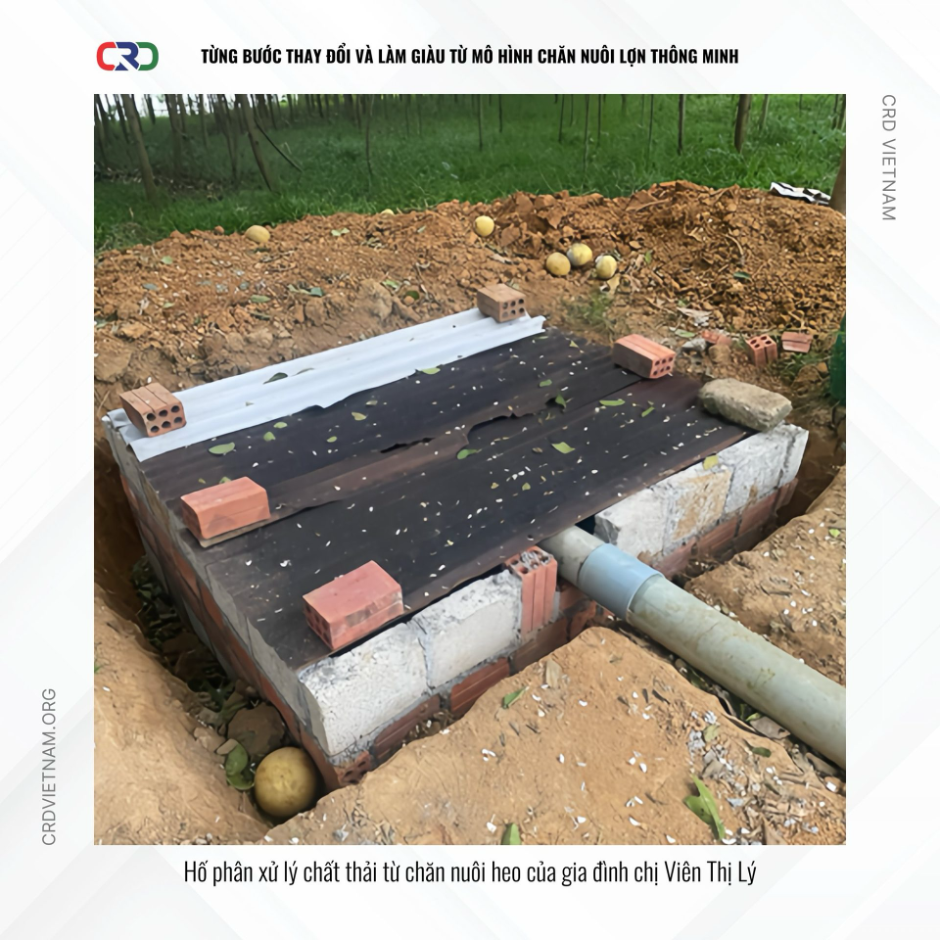
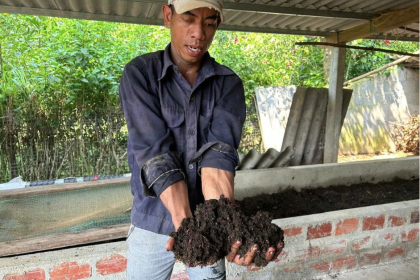
In addition to utilizing available organic feed, Ms. Vien Thi Ly’s family renovated the livestock barns to suit the climate (warm in winter, cool in summer) and constructed waste treatment pits to reduce the impact on the living environment. Livestock waste is collected and treated to make fertilizer for crops. The initial success of this pig-farming model will help farming households minimize input costs and improve their income, contributing to ensuring sustainable livelihoods for local people.